Cavities are one of the most common chronic diseases in children. Remineralizing treatments are one way that you can help protect your child’s teeth against tooth decay and help prevent cavities.
Keep reading to learn more about remineralizing treatment and the benefits it can offer to your child’s teeth!
Remineralization is a natural process that helps repair tooth enamel weakened by demineralization, a harmful process in which minerals are lost from tooth enamel. Strong tooth enamel is essential to the protection of the structures within the teeth and the appearance of your child’s smile.
The leading cause of demineralization is acid produced by bacteria in the mouth. As the bacteria feed on the sugars in the foods your child eats, they create acid as a byproduct.
This acid softens and dissolves the minerals that make up tooth enamel. Over time, it can cause weak spots that can develop into tooth decay and cavities if not repaired.
Other common causes of demineralization include poor oral hygiene, high sugar consumption, reduced saliva production, dry mouth, and a genetic predisposition.
Remineralization strengthens teeth by replenishing the enamel with essential minerals, which restore strength and boost its ability to resist acids and bacteria. Because the enamel doesn’t naturally regenerate, it needs remineralization to stay strong.
Tooth enamel is made of naturally occurring minerals. Throughout a typical day, your child’s tooth enamel is constantly being compromised by demineralization. While that may sound scary, tooth enamel can repair itself when exposed to the right minerals.
Remineralizing treatments help protect and repair enamel by delivering safe amounts of fluoride and other essential minerals directly to the teeth. Once applied, the minerals bond to the surface of teeth to help repair and rebuild weakened enamel.
Remineralization treatments are often the final step in a professional cleaning and dental check-up. It is essential that the teeth are free of plaque and tartar to ensure maximum benefits.
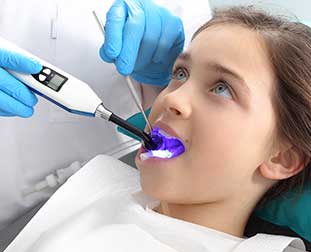
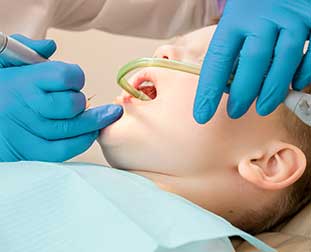
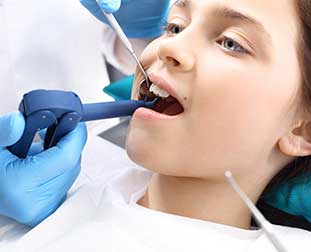
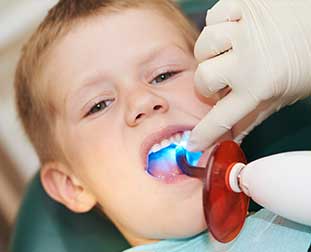
Once teeth have been cleaned and polished, a mineral-rich gel is brushed onto all the surfaces of your child’s teeth. When applied by your child’s dentist or hygienist, the treatment ensures that any teeth with signs of harmful demineralization are properly treated.
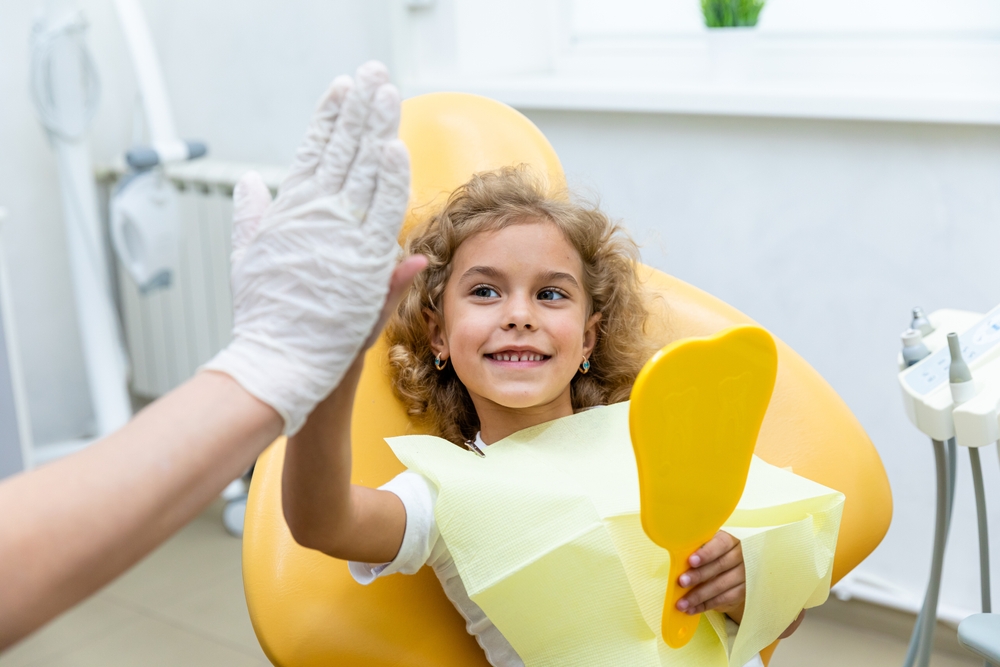
Remineralization treatments take just a few minutes to complete and are completely painless. They can cause your child’s teeth to feel sticky initially, but the sensation quickly fades as their teeth absorb the gel.
After the treatment, it is advisable that children do not eat or drink anything except water for at least thirty minutes. They should also avoid hot beverages, sugary drinks, acidic foods such as citrus fruits, and hard or crunchy foods for the next few hours.
The protection offered by remineralization treatments begins almost immediately. The results can provide additional protection against demineralization for the next three to four months.
Remineralization treatments are considered extremely safe and have been used successfully in pediatric dentistry for decades. The fluoride and minerals used in these treatments are carefully formulated in appropriate concentrations specifically for children’s teeth.
A professional application by a trained dentist or hygienist ensures that the correct amount is used based on your child’s age and individual needs. The treatment is non-invasive, requires no anesthesia, and causes no discomfort.
Side effects are exceptionally rare when the treatment is properly administered. Your child’s dentist will review your child’s medical history and discuss any concerns you may have before recommending or performing a remineralization treatment.
Here are some of the most common reasons your child’s dentist might recommend a remineralization treatment:
The minerals in a remineralization treatment help strengthen tooth enamel, making it more resistant to decay.
Remineralization treatments can help reverse the early signs of tooth decay, including white spots on teeth, tooth sensitivity, and uneven tooth texture.
The fluoride in a remineralization treatment helps protect both baby and permanent teeth as they develop.
Children who have a history of cavities, wear braces, or live in an area that does not fluorinate water often benefit the most from remineralization.
While a professional treatment at the dentist’s office often provides the most effective benefits, there are steps you can take at home to help slow demineralization and promote remineralization.
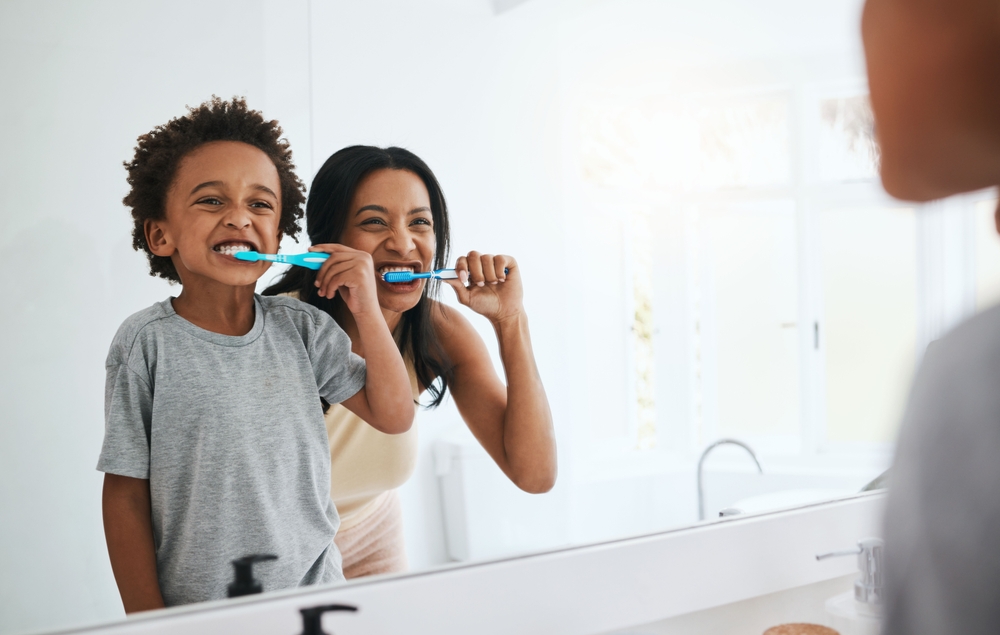
These steps include:
Strong and healthy tooth enamel is crucial for protecting teeth against harmful tooth decay and cavities. Regular remineralizing treatments are one of the easiest ways to give your child’s teeth the extra protection they need for a lifetime of healthy smiles.
Do you want to learn more about remineralizing treatment? Schedule an appointment at Premier Pediatric Dentistry in Miami, FL, today!