Children’s adult, or permanent, teeth typically start to emerge around age 6, beginning with the first molars and lower incisors. While permanent teeth are usually stronger and more durable than baby teeth, they are still vulnerable to infection and tooth decay.
Because young children are still learning to properly care for their teeth during childhood and adolescence, the health of permanent teeth can be compromised even before they fully emerge.
One important way for parents and caregivers to protect children’s permanent teeth is with dental sealants. Keep reading to learn more about the benefits of dental sealants and why your child might need them.
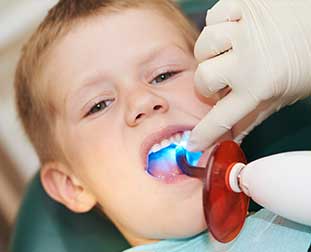
Dental sealants are thin, protective coatings made from a tooth-colored resin material that are applied to the chewing surfaces of children’s back teeth. They are highly effective at protecting the molars and premolars, which often have deep grooves and pits where food particles and harmful bacteria can easily get trapped.

Incoming molars are a common sight for first cavities because they can be hard for young brushers to reach. Even when good dental care habits are well-established, these teeth often have a higher risk of tooth decay.
Sealants are among the most common preventive dental treatments performed on children and adolescents. While sealants are usually applied only after permanent teeth have erupted, they can protect baby teeth, which may be more susceptible to decay. Sealants cannot be applied to teeth with existing decay or dental fillings.
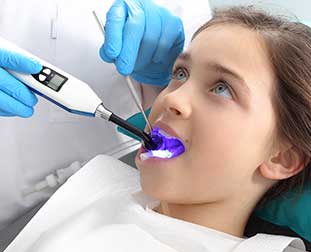
Applying dental sealants is a simple, painless treatment that is done right in your child’s pediatric dental office. It only takes a few minutes to apply sealants to each tooth.
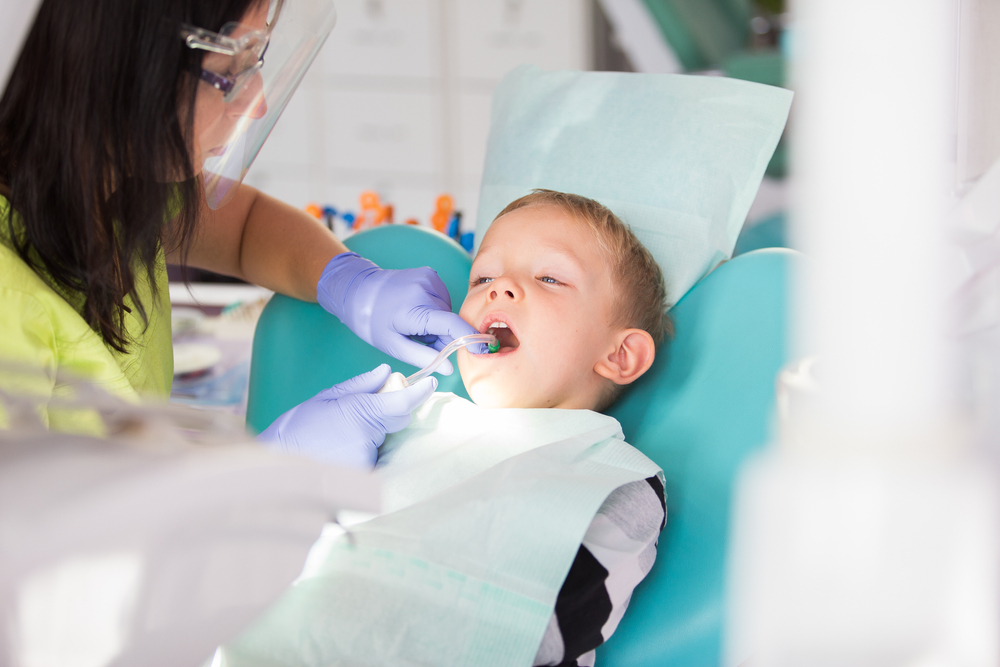
When applying sealants, your child’s dentist or hygienist will:
While children can eat and drink right after getting sealants, they should stick to a diet of soft foods for the rest of the day as the sealant material continues to harden. Sealants can initially change the feel of a child’s bite, but this is normal and usually subsides with time and use.
With proper care and maintenance, sealants typically last between two and five years. As much as possible, you should limit your child’s consumption of sticky or hard foods, such as sugary fruit snacks, taffy or caramel, and chips, which can chip or erode sealant material.
Even children who brush and floss regularly can struggle to effectively clean their incoming back teeth. Sealants can boost your child’s oral health by protecting and preventing early tooth decay in adult teeth.

Here are some of the other compelling reasons why your child might benefit from sealants:
Dental sealants are a simple, safe, and highly effective way to protect your child’s permanent teeth from cavities during their most vulnerable years. By adding this extra layer of protection, you can help your child enjoy a lifetime of bright and healthy smiles.
Is your child due for a checkup or ready to explore the protection that sealants can offer? Schedule an appointment at Premier Pediatric Dentistry in Miami, FL, today!