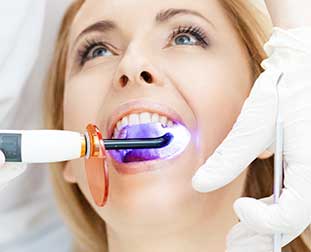
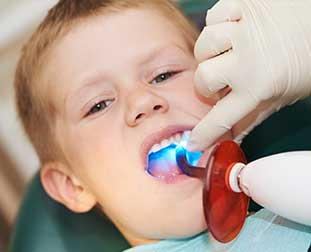
Believe it or not, cavities can occur at any age! As soon as a child gets their first tooth, they are vulnerable to tooth decay, especially if they are exposed frequently to hidden sources of sugar, such as bottles and sippy cups.
One of the most effective ways to protect your toddler’s developing smile is fluoride treatments during a routine dental cleaning and checkup. Keep reading to learn more about fluoride treatments and why they are safe for your toddler.
Fluoride is a naturally occurring mineral that can help strengthen tooth enamel and prevent cavities. It works by replacing minerals that are lost from enamel when teeth are exposed to acids produced by cavity-causing bacteria.

Children are exposed to many sources of fluoride in their day-to-day lives. The mineral can be found in municipal drinking water, certain foods, including spinach and potatoes, and toothpaste and mouthwash. While these sources of fluoride can help protect children’s teeth, the amount of fluoride they contain alone is often not enough to prevent cavities.
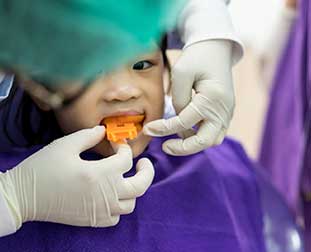
Fluoride treatments given by your toddler’s pediatric dentist are a great way to ensure their teeth receive an optimal amount of fluoride. In the dentist’s office, fluoride is applied as a varnish, gel, or foam by a specially trained dental professional to ensure that every surface of every tooth is covered. Including a fluoride treatment at the end of a dental cleaning and checkup takes only a few minutes, but goes a long way toward protecting your toddler’s smile.
While fluoride has been safely used to protect children’s teeth for many years, recent discussions in the media have left many people wondering whether it’s safe. The debate over its safety is not new, and years of extensive research have been dedicated to determining the right amount of fluoride for children.
One of the key factors in the safety of fluoride for children is how they are exposed to the mineral. For instance, the recommended fluoride concentration in community drinking water is 0.7 mg per liter, which protects against cavities while minimizing the risk of overexposure.
The recommended concentration in toothpaste is 0.1 mg for children under a year and 0.25 mg for children under the age of three. While this might seem like a lot more fluoride exposure than what is found in water, it is important to remember that only a small amount of toothpaste is recommended for young children, and careful supervision helps prevent accidental swallowing.
As recommended by the ADA, most pediatric dentists use a low-dose varnish fluoride treatment for toddlers, which is applied to the teeth with a small brush. The amount of fluoride in these treatments is higher than in toothpaste, but the varnish is specially formulated to slowly release fluoride and harden on contact with saliva, minimizing how much can be swallowed.
The health risks associated with fluoride occur when it is ingested in large amounts. The levels of fluoride added to water, toothpaste, and used in fluoride treatments are tiny compared to fluoride levels shown to be harmful.
Fluoride treatments offer several significant benefits, including:
Fluoride treatments remineralize tooth enamel, making it harder and more resistant to decay. This is especially beneficial for toddlers who are still developing their brushing skills and may miss common sites for cavities, such as the back molars.
As it remineralizes tooth enamel, fluoride can help repair the very early stages of tooth decay. Reversing the onset of decay can help prevent a cavity from forming and reduce the need for further dental interventions, such as fillings.

When performed in a pediatric dental office by a dentist or hygienist, fluoride treatments take only a few minutes to complete and are completely pain-free. The medium used to apply the fluoride usually comes in kid-friendly flavors that are easily tolerated by children of all ages.
Healthy teeth and gums are essential to a child’s oral health development. By strengthening tooth enamel and preventing cavities, fluoride treatments help promote long-term oral health.
The American Academy of Pediatric Dentistry (AAPD) recommends that children of all ages receive a fluoride treatment every six months, depending on their individual risk for developing cavities. For most children, a fluoride treatment should be a part of their bi-annual dental cleaning and checkup.
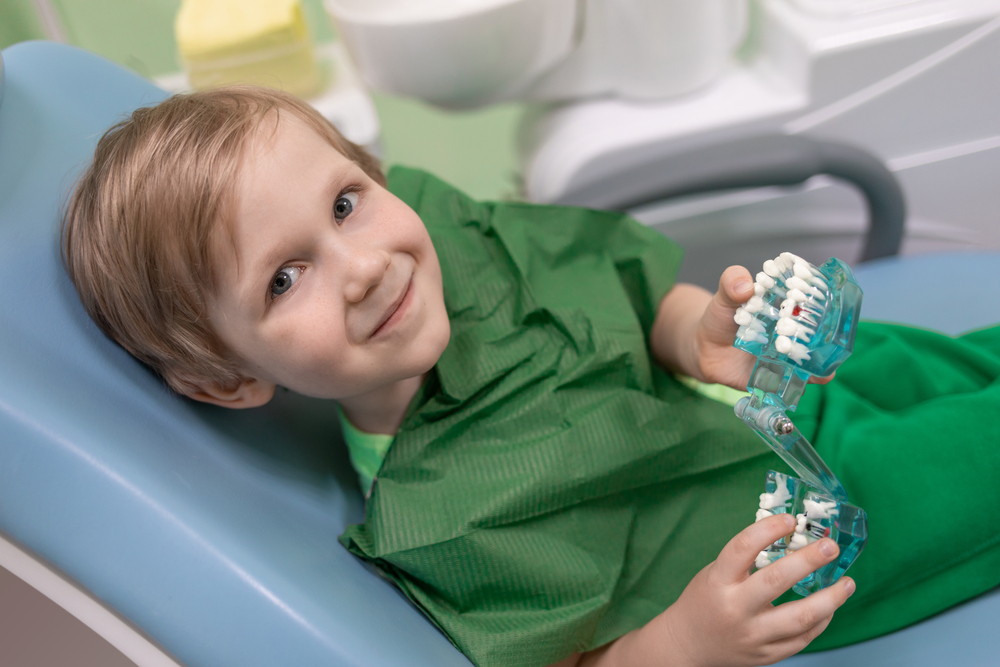
If a child is at higher risk for tooth decay, they may benefit from more frequent fluoride treatments. Your toddler’s pediatric dentist can advise you on the appropriate schedule for your child based on their oral health, diet, fluoride exposure, brushing habits, and risk of tooth decay.
Fluoride treatments are a safe and effective way to protect your toddler’s smile. They are quick, painless, and can help ensure years of strong, healthy teeth!
Want to learn more about fluoride and how it can help protect your child’s teeth? Schedule an appointment at Premier Pediatric Dentistry in Miami, FL, today!